Do I need a permit for a garden shed in Missoula?
This is probably the most common question I get, and it's a good one because the answer isn't always a simple yes or no. Generally, in Missoula County, if your shed is under 200 square feet and not permanently affixed to a foundation (meaning it's on skids, blocks, or a gravel pad), you probably won't need a building permit. That said, there are always exceptions. If you're planning on running electricity or plumbing to it, that's a whole different ballgame and you'll definitely need permits for those specific trades, regardless of the shed's size. Also, if your property is in a specific overlay district, like a floodplain, or if you're in certain parts of the city limits, there might be additional rules. My advice? Always check with the City of Missoula or Missoula County Planning Department. A quick phone call can save you a lot of headaches down the road. It's better to be safe than sorry, especially when dealing with local regulations.
What's the best foundation for a shed in Missoula's climate?
Missoula's weather can be a real mixed bag – hot summers, cold winters, and plenty of freeze-thaw cycles. That's why your shed's foundation is so important. For most garden sheds, I recommend a properly prepared gravel pad. It provides excellent drainage, which is crucial for preventing moisture issues and rot, especially with our wet spring thaws and occasional heavy rains. You want at least 4-6 inches of compacted gravel, ideally with a base of larger crushed rock and a top layer of finer gravel. Some folks opt for concrete blocks or pavers, and those can work too, but they need to be perfectly level and on a well-drained base. For larger, more permanent sheds, or if you're planning to insulate and heat it, a concrete slab might be a better choice. But for your average garden shed, a good gravel pad is usually the most cost-effective and durable option for our climate. It’s what we typically recommend at Custom Sheds Missoula for most projects because it just holds up so well.
How much space do I really need for a garden shed?
This is where people often underestimate. You're not just thinking about the shed's footprint. You need room to walk around it, open doors, and store things just outside it. I always tell folks to measure their biggest tools – your lawnmower, wheelbarrow, snowblower – and then add at least 2-3 feet of clearance around them inside the shed. Don't forget vertical space for shelves or hanging tools. Outside, you'll need at least a foot or two of clearance from fences or property lines, sometimes more depending on local setbacks. And think about access. Can you get your wheelbarrow in and out easily? Will you be able to open the doors all the way without hitting anything? A common mistake is putting a shed too close to a fence or a house, making it a pain to access or maintain. Plan for a little more space than you think you'll need; you'll never regret having extra room.
What kind of maintenance does a typical shed need?
A well-built shed is pretty low maintenance, but it's not zero maintenance. Just like your house, it needs a little attention to stay in good shape. The biggest thing is keeping an eye on the roof. Check for loose shingles or debris, especially after a big windstorm. Make sure your gutters (if you have them) are clean so water isn't pooling around the foundation. Every year or two, give the exterior a good wash to prevent mildew and grime buildup. If it's a wood shed, you'll want to re-stain or repaint it every few years to protect it from the sun and moisture. Pay close attention to the trim and door frames – those are often the first spots to show wear. Inside, keep it organized and make sure there's good airflow to prevent musty smells or mold. A little proactive care goes a long way in extending the life of your shed.
Can I insulate and heat a garden shed?
Absolutely, you can! Many of my clients in Missoula do this, especially if they're using the shed as a workshop, an art studio, or even just for storing temperature-sensitive items. The process is pretty similar to insulating a small room in your house. You'll want to add insulation to the walls, ceiling, and even the floor. Fiberglass batts, rigid foam boards, or spray foam are all good options. Once it's insulated, you can add a small electric heater, a propane heater, or even a wood stove if you're really serious (though a wood stove brings its own set of permitting and safety requirements). Just remember, if you're adding electricity, you'll need a licensed electrician and permits. Proper ventilation is also key, especially if you're using any kind of combustion heater. It's totally doable, and it makes your shed a much more versatile space year-round, even when it's twenty below zero outside.
What are the best materials for a shed that will last in Missoula?
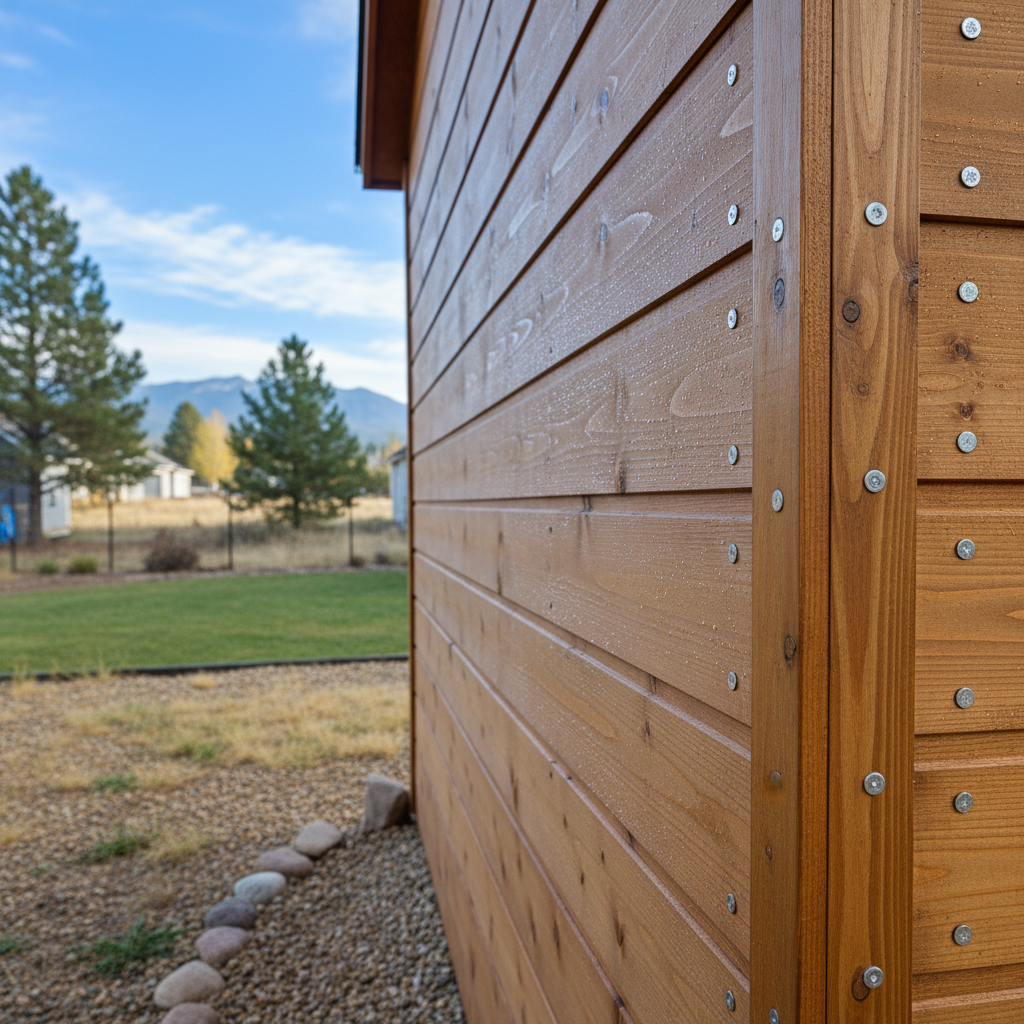
When you're building something to withstand Missoula's weather, material choice is everything. For framing, standard treated lumber or good quality dimensional lumber is fine. For siding, I'm a big fan of engineered wood products like LP SmartSide. It holds up incredibly well to our temperature swings, resists rot and insects, and takes paint beautifully. Cedar siding is another excellent choice; it's naturally rot-resistant and looks fantastic, but it's a bit more expensive. For roofing, asphalt shingles are a solid, cost-effective option that will last for decades. Metal roofing is also popular here because it sheds snow easily and is very durable. Avoid cheap particle board or untreated plywood for any exterior surfaces; they just won't hold up to our moisture and temperature fluctuations. Invest in good quality materials upfront, and your shed will serve you well for many, many years.
How do I keep rodents and pests out of my shed?
Critters are always looking for a warm, dry place to hang out, and your shed can look mighty inviting. The best defense is a good offense: seal it up tight. Start with the foundation – make sure there are no gaps between the shed base and the ground. If you have a gravel pad, you might consider burying a layer of hardware cloth around the perimeter. For the shed itself, check all your siding, trim, and around doors and windows. Fill any small gaps with caulk or expanding foam. Make sure your door has a good seal at the bottom and sides. If you have vents, cover them with hardware cloth. Inside, keep things tidy. Don't leave food or pet food in there. Store things in sealed plastic containers rather than cardboard boxes. And if you do find signs of pests, address it quickly. A little vigilance goes a long way in keeping your shed critter-free.
Can I move my shed later if I need to?
It depends on how it's built and how big it is. Smaller sheds, especially those built on skids or a simple block foundation, are often designed to be movable. If it's under 200 square feet and on skids, you can usually get a local shed mover or even a skilled contractor with the right equipment to pick it up and relocate it on your property, or even to a new property. This is one of the advantages of a non-permanent foundation. However, if your shed is built on a concrete slab, or if it's very large and heavy, moving it becomes a much more complex and expensive operation, often requiring specialized equipment or even deconstruction. So, when you're planning your shed, if you think there's any chance you might want to move it in the future, let your builder know. We can design it with movability in mind, which usually means building it on a sturdy skid foundation.