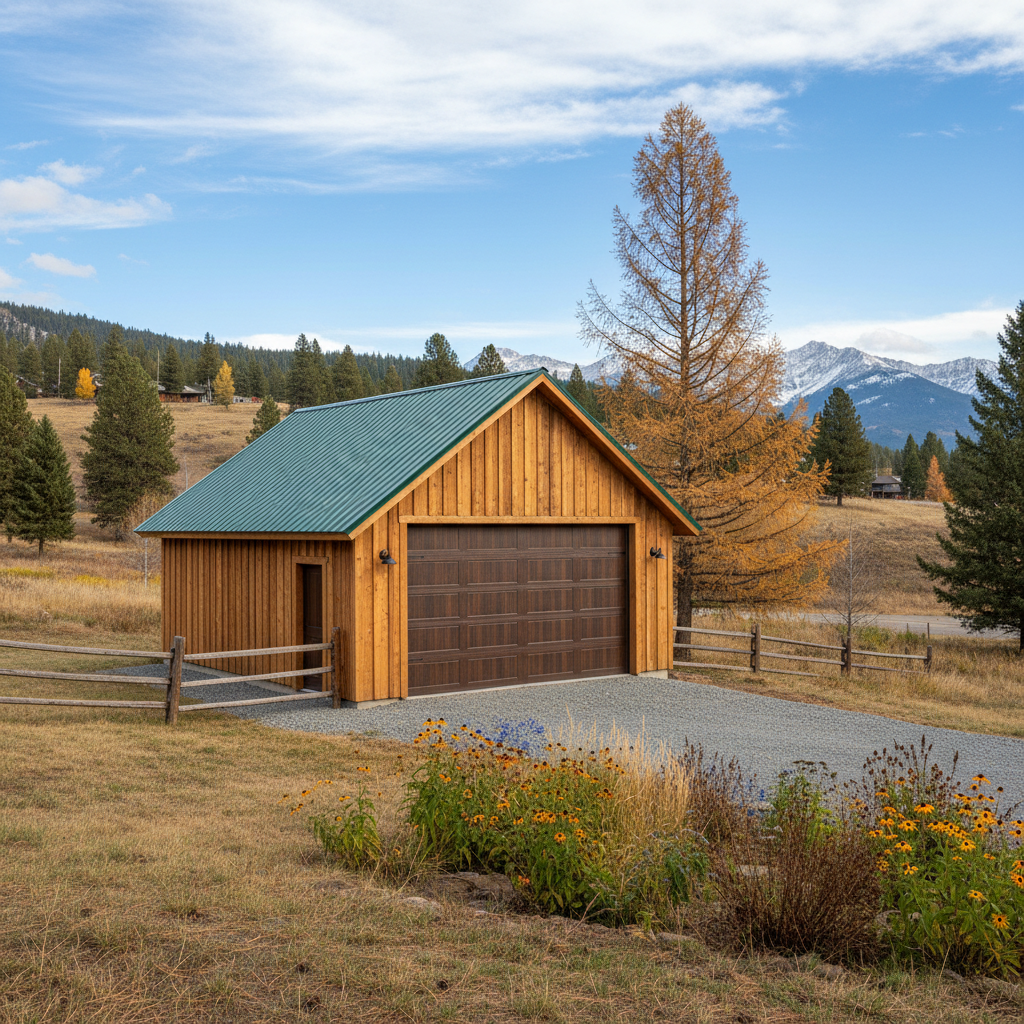
When's the best time to build a shed in Missoula? That's a question I get a lot, and honestly, there's no single 'best' answer. It really depends on what you're looking for and what you're willing to deal with. But understanding our local climate is key to making a smart decision and protecting your investment.
Scheduling Your Shed Build: What to Consider
Here's the deal: every season has its pros and cons when it comes to shed construction here in the Bitterroot Valley. You've got to weigh them against your own needs, right?
- Spring (April-June): This is a popular time, and for good reason. The ground's usually thawed, temperatures are mild, and we're often past the worst of the winter snow. The downside? Everyone else thinks it's a good time too, so lead times for builders like Custom Sheds Missoula can get longer. Plus, we can still get some late-season snow or heavy spring rains, which can cause delays. Mud is a real factor on many properties, especially those with clay-heavy soils common around the Missoula Valley.
- Summer (July-August): Ideal weather for building, no doubt. Long, dry days mean less chance of weather delays and easier work for the crew. Foundations cure well, and paint dries fast. The biggest challenge here is scheduling. Builders are often booked solid, and material costs can sometimes tick up with demand. If you want a summer build, you need to plan way ahead.
- Fall (September-November): This can be a sweet spot. The summer rush slows down, and the weather is often still cooperative, with crisp, dry days. You might find more availability with contractors. The risk, of course, is an early cold snap or heavy snow. We've seen significant snowfalls in October before, so you're playing a bit of a gamble as you get later into the season.
- Winter (December-March): Building in winter is definitely possible, but it comes with its own set of challenges. Frozen ground makes excavation tough, and concrete work requires special precautions. Cold temperatures affect materials and tools, and snow can slow everything down. That said, if you're not in a huge rush, you might find builders with more open schedules and potentially better rates since demand is lower. Just be prepared for the project to take a bit longer and for the crew to be bundled up!
Weather Conditions That Impact the Work
You might think a little rain or snow won't hurt, but it can really mess with a construction schedule and the quality of the build. Here's what we're always watching:
- Rain & Moisture: Too much rain makes the ground muddy and unstable, which is bad for foundations. It can also damage exposed lumber, cause swelling, and make working conditions unsafe. We can't paint or stain in the rain, and certain sealants won't cure properly.
- Extreme Cold: Below freezing temperatures mean concrete won't cure correctly without special additives and protection. It also makes materials brittle and tools harder to handle. Plus, it's just plain tough on the crew.
- Heavy Snow: Obvious, right? We can't work effectively with several inches of snow on the ground or falling. It covers our work area, makes things slippery, and requires constant clearing.
- High Winds: Building structures, especially when they're not fully enclosed, can be dangerous in high winds. Materials can become projectiles, and it's just not safe to be up on ladders or handling large panels.
We always try to work through minor weather, but safety and quality are always my top priorities. Sometimes, a delay is just necessary.
Protecting Your Shed Investment Year-Round
Once your shed is built, your job isn't over. Our Missoula climate, with its hot, dry summers and cold, snowy winters, means you need to stay on top of maintenance to protect your investment.
- Drainage is King: Make sure water drains away from your shed's foundation. This is crucial. Check your gutters (if you have them) and downspouts regularly. If water pools around the base, you're asking for trouble with rot and foundation issues.
- Sealants & Paint: Inspect your shed's exterior annually. Look for cracking paint, peeling caulk, or any gaps where water could get in. Reapply sealants and touch up paint as needed. A good quality exterior paint or stain is your first line of defense against our harsh sun and moisture.
- Roof Check: After winter, especially, check your roof for any damaged shingles or signs of leaks. Heavy snow loads can be tough on roofs, and melting snow can find its way into small cracks. Clear off any debris like leaves or pine needles that can trap moisture.
- Ventilation: Good airflow prevents condensation and moisture buildup inside, which can lead to mold and rot. Make sure your vents aren't blocked, especially during humid summer months or when you're storing damp items.
- Pest Control: Critters love sheds. Check for signs of mice, insects, or other pests trying to make a home in your shed. Seal up any small openings they might use to get in.
A little preventative maintenance goes a long way. You put good money into that shed, so take care of it, and it'll take care of your stuff for years to come. If you've got questions about what your shed needs, or if you're ready to talk about a new one, don't hesitate to give us a call.