So, you're thinking about adding a garage, or maybe even replacing an old one? That's a pretty big project, no doubt about it. A garage isn't just some place to park your truck, you know; it's extra storage, a workshop, maybe even a home gym. It actually adds real value to your property, especially here in Missoula where space is always at a premium.
I've seen a lot of garage projects over the years, both the good ones and the, well, let's just say 'learning experiences.' So, let's chat about what you really need to know before you even swing a hammer, what to expect once construction starts, and how to wrap things up just right.
Before You Break Ground: The Planning Stage
This is where most of the critical decisions get made. Honestly, it's where you can save yourself a ton of headaches down the road. Don't rush this part.
- Permits & Zoning: This isn't optional, plain and simple. You'll need permits from either the City of Missoula or Missoula County, depending on where your property sits. They'll want to see your plans, how far back it is from property lines, and make sure it meets local building codes. For most folks, this isn't a DIY job. Getting it wrong could mean tearing down what you've already built. Hire a professional to draw up the plans and help you through the permit process. They really know the ins and outs of local regulations, like how close you can build to your property line if you're in a neighborhood like the Rattlesnake.
- Foundation: This is absolutely critical. A garage needs a super solid foundation, usually a concrete slab. This isn't a weekend warrior project unless you've got serious concrete experience and all the right equipment. Bad drainage or a poorly laid slab will cause problems for decades. I always tell people to hire a professional concrete crew for this. They'll make sure the grading is right, the rebar is placed correctly, and you get a smooth finish that will actually last.
- Design & Layout: Think about how you'll actually use the garage. Two cars? Workshop space? Storage for your bikes and skis? Do you need extra height for a car lift or an RV? Sketch it out. Look at other garages you like. You can probably handle this part yourself, but if you're looking for something custom or need specific features, an architect or a custom builder like Custom Sheds Missoula can help you make the most of the space and ensure it fits well with your existing home.
During Construction: Getting It Built
Once the plans are approved and the foundation is poured, the real building starts. This is where the line between DIY and hiring a pro gets a little blurrier, depending on your own skill set.
- Framing: This is all about the structure. If you're an experienced carpenter, you might be able to tackle this. But getting walls plumb, square, and strong enough to hold up a roof is a big deal. Mistakes here can mess up the entire structure, no exaggeration. For most homeowners, framing is best left to the pros. They'll get it done quickly and correctly, making sure everything is up to code and safe.
- Roofing: Unless you're a roofer, don't do your own roof. It's dangerous, and a poorly installed roof will lead to leaks, which then lead to rot and expensive repairs. Hire a reputable roofing company.
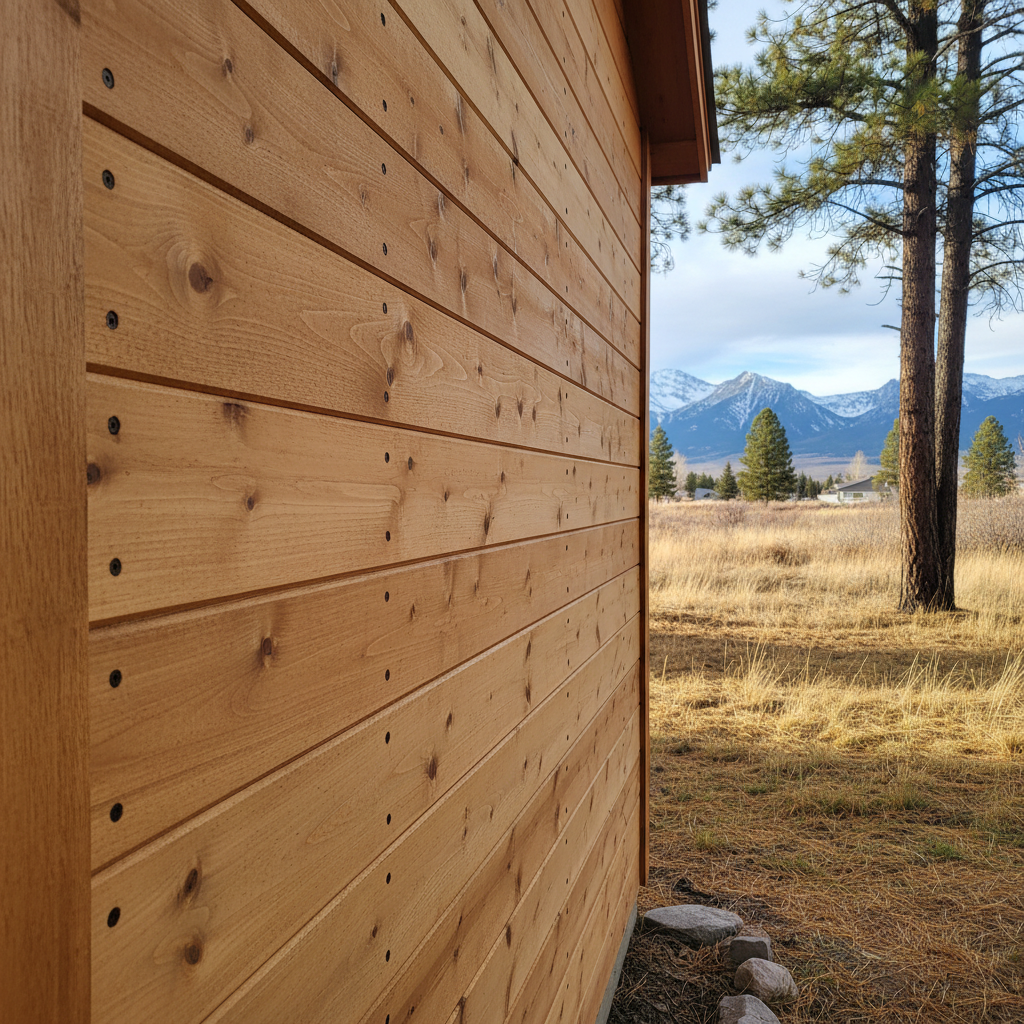
- Siding & Exterior Finishes: This is often where homeowners can jump in and save some money. Installing siding—whether it's fiber cement, wood, or vinyl—is manageable for someone with good DIY skills and an eye for detail. Painting the exterior is also a great way to contribute. Just make sure you're working safely, especially if you're up high.
- Electrical & Plumbing: Absolutely hire licensed professionals for this. Electrical work is dangerous if you do it wrong and can easily cause fires. Plumbing, even if it's just a utility sink, needs to meet code to avoid leaks and water damage. Don't mess around with these trades. Seriously.
- Garage Door Installation: While some homeowners try this, I usually recommend hiring a professional garage door company. These doors are heavy, under high tension, and can be dangerous to install without the right tools and expertise. They'll also make sure it's balanced and operating smoothly.
After It's Built: Finishing Touches & Inspections
You're almost there! The structure's up, the roof's on, and it's really starting to look like a real garage.
- Insulation & Drywall: This is another area where a handy homeowner can save a significant amount. Installing insulation is pretty straightforward, though it can be messy. Hanging and finishing drywall takes practice to look professional, but it's definitely doable. Just be patient and watch some good tutorials.
- Flooring: If you want more than just bare concrete, you've got options. Epoxy coatings are popular because they're durable and easy to clean. This can be a DIY project, but proper prep is key for a lasting finish. If you're not confident in your prep skills, a pro can ensure it's done right.
- Final Inspections: Don't forget this! Your local building department will need to do a final inspection to ensure everything was built to code and matches the approved plans. Make sure all your permits are signed off. This is important for resale and insurance, you know.
Look, building a garage is a big undertaking. There are parts you can absolutely tackle yourself, especially if you're good with tools and have some experience. But for the critical structural, safety, and code-related elements, bringing in professionals isn't just about convenience; it's about making sure your investment is safe, sound, and built to last through our Missoula winters and hot summers. Don't be afraid to ask for help where you need it. It'll pay off in the long run.